
In the evolving world of digital health, a Patient Engagement Platform stands as a vital bridge between healthcare providers and their patients. This technology not only streamlines communication but also empowers individuals to actively participate in their healthcare journey. With digital solutions now integral to modern clinics and hospitals, a Patient Engagement Platform is no longer a luxury but a necessity.
Understanding the Core of a Patient Engagement Platform
A Patient Engagement Platform is a centralized digital solution that enables healthcare providers to connect, communicate, and collaborate with patients in real time. It’s designed to enhance the overall experience, improve health outcomes, and reduce operational inefficiencies. These platforms offer features such as appointment scheduling, automated reminders, digital forms, secure messaging, and telehealth integration—all tailored to meet the specific needs of today’s healthcare environment.
At its heart, a Patient Engagement Platform is about creating meaningful interactions that lead to better care. It helps patients stay informed, adhere to treatment plans, and feel more involved in decision-making processes.
Benefits of a Patient Engagement Platform in Modern Healthcare
Implementing a Patient Engagement Platform brings a wide range of benefits, both for healthcare organizations and their patients. Some of the most impactful include:
1. Improved Communication and Transparency
A Patient Engagement Platform ensures seamless communication between patients and care teams. With features like secure messaging and real-time notifications, it eliminates the gaps often found in traditional communication methods. Patients can receive updates, test results, and treatment instructions directly on their devices, enhancing transparency and trust.
2. Streamlined Administrative Tasks
One of the most significant advantages of a Patient Engagement Platform is its ability to automate routine tasks. Clinics can reduce administrative burdens by digitizing appointment booking, patient intake forms, and billing inquiries. This not only saves time but also minimizes human error and increases overall efficiency.
3. Increased Patient Adherence and Satisfaction
When patients are more engaged, they are more likely to follow care plans, attend scheduled appointments, and adhere to prescribed treatments. A Patient Engagement Platform provides regular reminders, educational resources, and accessible communication, all of which contribute to higher satisfaction and better health outcomes.
4. Personalized Healthcare Experiences
A Patient Engagement Platform allows providers to tailor communications and care plans based on patient preferences and history. Personalized messaging, proactive follow-ups, and targeted health content enhance the overall patient experience and create a sense of individual attention.
5. Enhanced Access to Care
Incorporating telehealth features, a Patient Engagement Platform makes healthcare more accessible to patients regardless of location. Whether in rural communities or urban settings, individuals can consult with their providers through virtual appointments, reducing travel time and improving convenience.
How a Patient Engagement Platform Transforms Patient Journeys
From the moment a patient books an appointment to their post-visit follow-up, a Patient Engagement Platform plays a crucial role. Let’s explore how the technology supports every step of the patient journey:
Appointment Scheduling
Gone are the days of long wait times and repeated phone calls. With a Patient Engagement Platform, patients can book appointments online, view real-time availability, and even reschedule or cancel with a few clicks.
Digital Intake and Pre-Visit Engagement
Before their visit, patients can complete digital intake forms, upload necessary documents, and review pre-appointment instructions—all from the comfort of their homes. This not only speeds up the process but also ensures the provider has accurate information beforehand.
In-Visit Support and Real-Time Communication
During the appointment, whether in-person or virtual, the platform supports note-sharing, care summaries, and real-time Q&A through secure chat features. Providers can also instantly share educational materials to help patients better understand their conditions.
Post-Visit Follow-Up
After the visit, the Patient Engagement Platform enables follow-up messaging, prescription updates, and appointment reminders. This helps maintain a continuum of care and ensures patients don’t fall off their treatment plans.
Key Features to Look for in a Patient Engagement Platform
When evaluating a Patient Engagement Platform, healthcare organizations should look for certain essential features:
Secure Messaging: HIPAA-compliant communication channels for private conversations.
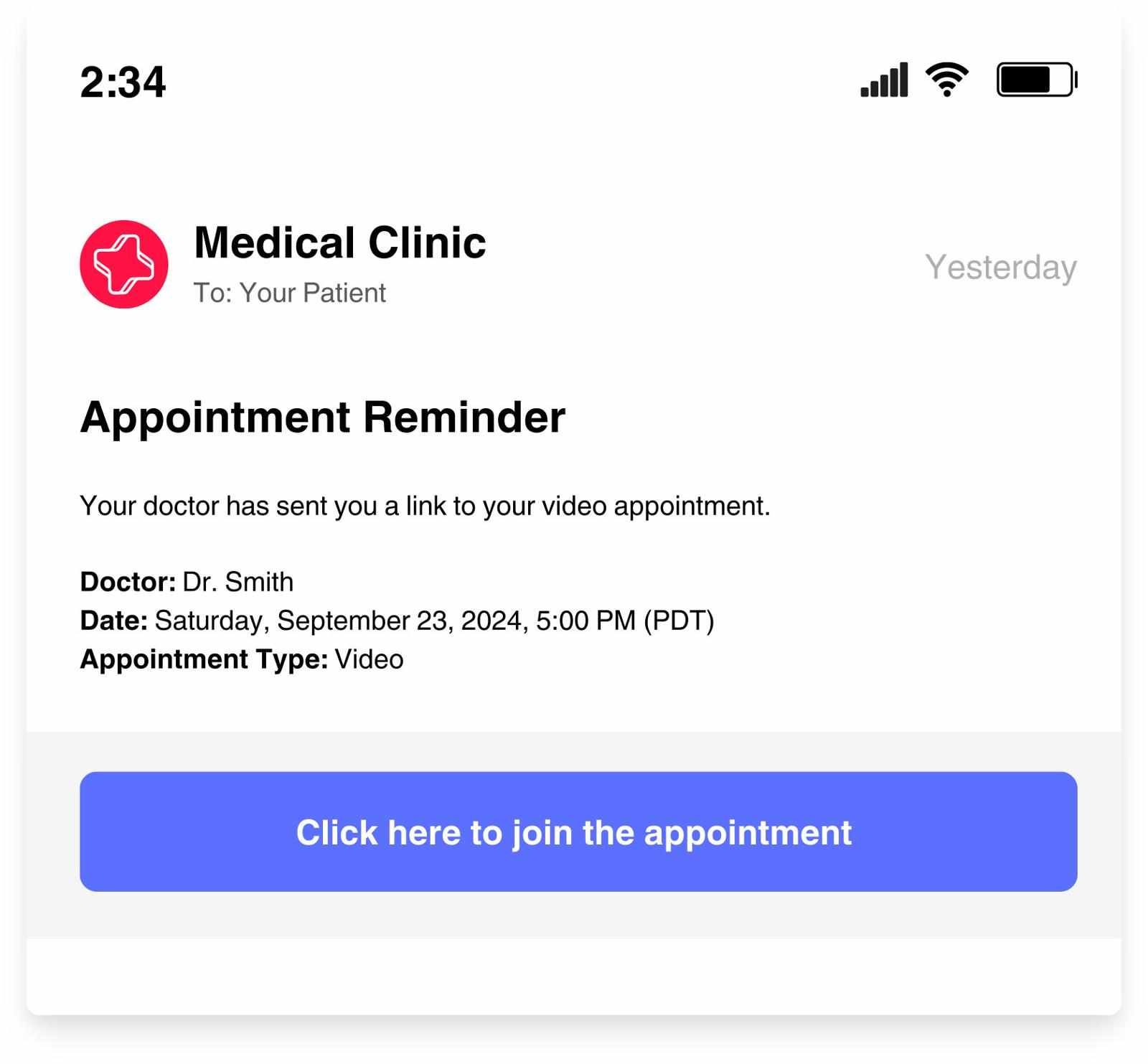
Automated Reminders: SMS, email, and in-app notifications for appointments and follow-ups.
Telehealth Integration: Support for virtual care and video consultations.
Mobile Accessibility: A responsive design that works across all devices.
Analytics Dashboard: Real-time insights into patient engagement and platform performance.
Customizable Forms and Workflows: Tailored to fit the specific operations of each practice.
A robust platform includes all these tools in one cohesive system, ensuring both providers and patients can interact easily and effectively.
Overcoming Common Challenges in Patient Engagement
Despite its numerous benefits, patient engagement comes with challenges. These include digital literacy gaps, data privacy concerns, and resistance to the adoption of technology. A well-designed Patient Engagement Platform addresses these issues through user-friendly interfaces, robust security protocols, and seamless onboarding processes.
Training staff, educating patients, and continuously refining the platform based on feedback are key strategies to overcome these obstacles. When implemented thoughtfully, the platform can enhance adoption rates and maximize its impact.
Future of Healthcare with a Patient Engagement Platform
The future of healthcare is undeniably digital. As technologies like AI, machine learning, and predictive analytics evolve, they will further enhance the capabilities of a Patient Engagement Platform. Real-time health monitoring, automated triage, and personalized wellness plans are just a few developments on the horizon.
Moreover, value-based care models rely heavily on patient outcomes and satisfaction—both of which are directly influenced by engagement. Thus, investing in a comprehensive platform now positions healthcare providers to succeed in the years ahead.
Conclusion
A Patient Engagement Platform is more than just a digital convenience—it’s a transformative tool that reshapes how healthcare is delivered and experienced. Fostering trust, improving communication, and driving better outcomes, it plays a critical role in the modern healthcare ecosystem.
Cortico Health Software provides a scalable and intuitive solution that enables clinics to adopt digital transformation and deliver high-quality, patient-centered care.
As patient expectations continue to evolve, adopting a reliable Patient Engagement Platform is not just an upgrade—it’s a strategic necessity for future-ready healthcare.


Write a comment ...